
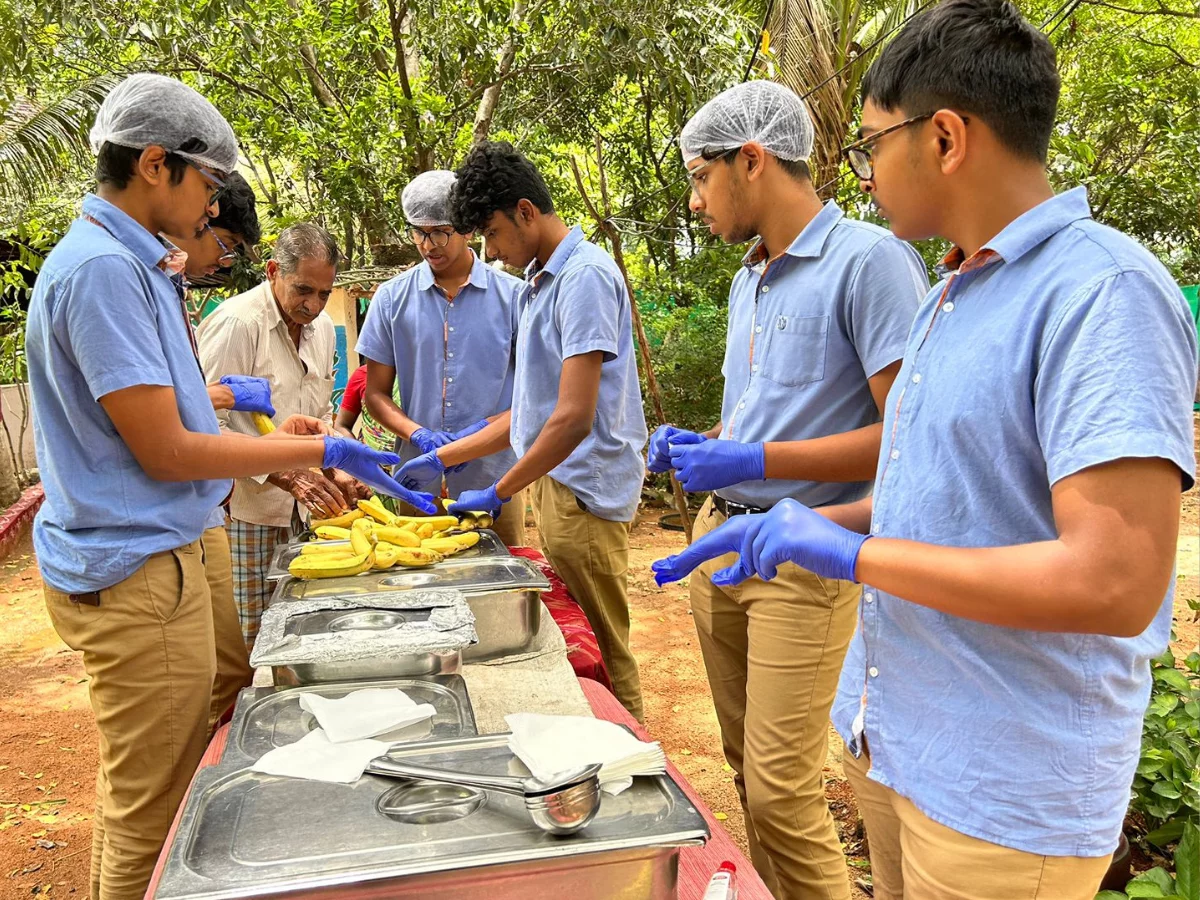
In today’s interconnected world, opportunities for people to travel abroad extend far beyond tourism and business. One of the most meaningful ways to engage with another culture while making a lasting contribution is through international volunteering. More than a journey across borders, international volunteering is a journey into shared humanity. It allows individuals to dedicate their time, skills, and compassion to projects that directly impact communities, while at the same time gaining personal growth, cultural awareness, and a broader perspective on global issues.
What is International Volunteering?
voluntariado internacional refers to the practice of traveling to another country to participate in service projects that support local needs. These projects can range from teaching English in rural schools, supporting healthcare initiatives, working on environmental conservation, assisting in refugee camps, to building infrastructure such as wells or community centers. The primary aim is not charity in the traditional sense, but rather collaboration—working alongside local people to strengthen capacities, foster mutual learning, and create sustainable improvements.
Benefits for Communities
For host communities, volunteers international often provide an extra set of hands, specific expertise, or resources that might otherwise be unavailable. A small rural village in Africa may lack teachers for its growing number of children; a conservation project in South America may need passionate individuals to monitor wildlife; a refugee settlement in Europe may welcome volunteers to help integrate newcomers through language support. When done ethically and in alignment with local leadership, international volunteering can amplify existing efforts and empower communities to achieve goals faster and more effectively.
Benefits for Volunteers
While communities gain support, volunteers gain experiences that profoundly shape their personal and professional lives. Living and working in another country requires adaptability, patience, and humility. Volunteers often learn a new language, acquire cross-cultural communication skills, and develop resilience when faced with challenges. Many describe the experience as transformative—broadening their worldview, deepening their empathy, and inspiring a lifelong commitment to social justice or international cooperation.

Comments are closed.