
Author

admin

Browsing

Key Takeaways

  • Builds steady confidence in speaking, reading, and writing Chinese at the secondary level
  • Helps students handle exam formats, question styles, and time pressure with less stress
  • Reinforces school learning while filling gaps that often go unnoticed in class
  • Encourages consistent practice through structured guidance and feedback

Introduction

For many secondary school students in Singapore, Chinese can feel like a subject that quietly grows heavier each year. Vocabulary lists get longer, composition topics feel less forgiving, and oral exams start to carry real weight. Confidence wobbles, not always because students lack ability, but because the pace leaves little room to pause, clarify, or practise without pressure. That is where targeted support can make a visible difference, especially when it focuses on both language confidence and exam readiness.

Why Confidence Matters More Than Marks

It is tempting to treat Chinese results as the main goal. Grades matter, of course. But confidence often comes first. A student who hesitates to speak Mandarin aloud or second-guesses every written sentence tends to freeze during assessments. With secondary Chinese tuition, lessons usually slow things down just enough. Teachers listen, correct gently, and explain why a phrase works or does not. Over time, students stop treating Chinese like a trap and start seeing it as a skill they can actually manage.

This shift shows up in small ways. Answers become less rushed. Oral responses sound steadier. Even comprehension passages feel less intimidating. Confidence does not arrive all at once, but it grows through repetition and reassurance.

Making Sense Of Exam Expectations

Secondary Chinese exams are not just about knowing the language. They test structure, timing, and familiarity with question patterns. Many students understand the content but lose marks through poor planning or misreading instructions. Tuition sessions often spend time breaking down past-year papers, showing how marks are awarded and where common mistakes hide.

Through secondary Chinese tuition, students learn how to plan compositions quickly, manage oral prompts calmly, and approach comprehension with purpose. These are practical habits, not abstract tips. They reduce guesswork and help students walk into exams feeling prepared rather than overwhelmed.

Bridging The Gap Left By Busy Classrooms

School teachers do their best, but large class sizes limit personal attention. Some students fall behind quietly, especially if they are shy about asking questions. Tuition creates space for that missing conversation. A confusing grammar rule can be explained again, differently, and without judgment.

At a Tampines tuition centre, this personalised approach often resonates with families nearby. Shorter travel times help students stay consistent, and familiarity with local school syllabuses means lessons stay relevant. It feels less like extra work and more like guided practice.

Language Practice That Feels Real

Chinese is not just an exam subject. It is a living language used at home, in hawker centres, and during festive gatherings. Good tuition taps into that reality. Lessons may include current news topics, everyday conversations, or examples drawn from local life. This keeps learning grounded and relatable.

Students begin to see how exam phrases connect to real usage. That connection makes memorisation easier and expression more natural. Slowly, Chinese stops feeling distant and starts sounding familiar.

Supporting Different Learning Paces

Not every student learns at the same speed. Some grasp vocabulary quickly but struggle with composition flow. Others write well but hesitate during oral exams. Tuition allows lessons to adjust without rushing or dragging. That flexibility is often what helps students regain balance.

With secondary Chinese tuition, weaker areas receive focused attention while strengths are reinforced. The aim is not perfection, but steady improvement that students can feel.

Conclusion

Language confidence and exam readiness rarely grow by accident. They come from clear guidance, regular practice, and patient correction. When students feel supported, their relationship with Chinese changes. Anxiety softens, understanding deepens, and exams become manageable rather than frightening.

For families looking for structured and approachable support, a trusted Tampines tuition centre can offer that steady hand. Get in touch with Simply Education today to find out how tailored Chinese tuition can help students build confidence and perform with assurance.

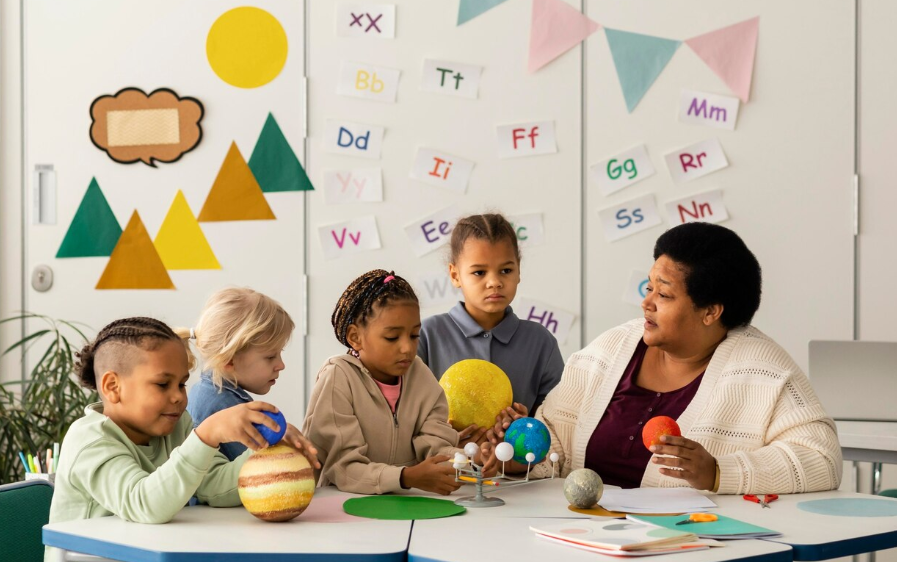
Starting a new learning path often brings curiosity, so understanding how the first meeting works makes the journey smoother. A virtual reading tutor helps young learners grow with calm guidance and steady support. The first meeting builds trust and offers a clear plan that makes the process feel simple. Many parents want to know how this early step works, so having a clear idea helps create steady progress. This early stage sets the tone for later growth by offering gentle direction that supports confidence. A smooth start encourages learners to approach future meetings with interest and steady focus.

Warm greeting

The first meeting begins with a friendly welcome that helps the learner feel relaxed and open. The tutor takes time to build simple trust through calm talk and gentle conversation that encourages comfort while easing early nerves.

Basic introduction

The tutor shares their background, goals, and style, helping the learner understand how the process works. This quick meeting stage builds clarity and sets a helpful tone that supports smooth progress from the very first moments.

Understanding skill level

The tutor checks the learner’s current ability using simple tasks that show strengths and needs. This allows the tutor to plan future work that supports clear improvement through steady steps based on real observations.

Setting clear goals

Easy goals help guide the path forward, offering direction without pressure. Tutors explain each goal and adjust it based on the learner’s comfort and focus, creating a helpful structure for ongoing growth.

Explaining the tools

The tutor shows how the learning tools work, making the process simple to follow. Visual aids, shared screens, and guided tasks help young learners stay engaged while giving them confidence in each new step.

Building confidence

Tutors use supportive words and simple feedback to encourage steady growth. Each success, no matter how small, helps the learner feel comfortable and ready to explore more tasks without worry or hesitation.

Guided practice

The learner completes easy activities with gentle support. These tasks help the tutor understand comfort levels while giving the learner a chance to adjust to the new style through calm practice.

Growth during this first meeting brings clarity and direction, giving families a strong start with simple guidance. Each stage offers steady progress supported by patient teaching and dependable structure. This helpful outline also encourages active involvement from families who want reliable improvement. When trust is formed early, progress strengthens over time and supports smoother skill building. Parents often search for stable guidance, and this early meeting provides that foundation through calm steps shaped with care from an online reading tutor.

An analytical essay is one of the most common assignments in English, history, humanities, and even science classes. Instead of simply summarizing a topic, an analytical essay requires you to break information apart, examine how it works, and explain why it matters. This style of writing strengthens critical thinking and helps students construct clear, well-supported arguments. Many learners also organize their essay templates, outlines, and drafts using PDFmigo.com.

What Is an Analytical Essay?

An analytical essay examines a topic, text, idea, or problem by breaking it into parts and analyzing how those parts work together. Unlike a summary, which only explains what happened, an analytical essay explains why and how something happens.

Examples of analytical essay tasks include:

  • Analyzing a character’s development in a novel
  • Examining themes in a poem or movie
  • Breaking down the causes of a historical event
  • Analyzing the effectiveness of an argument or speech

Step 1: Understand the Assignment

Before writing, read the assignment carefully. Identify exactly what the teacher wants you to analyze. Look for keywords like:

  • Analyze
  • Examine
  • Interpret
  • Compare
  • Evaluate

Make sure you know the required length, formatting style, and whether you must use specific sources.

Step 2: Choose a Strong Topic

Your topic must be narrow enough to analyze deeply. For example:

  • Too broad: “The theme of love in literature.”
  • Better: “How Shakespeare uses metaphor to portray love in Romeo and Juliet.”

The more specific the topic, the stronger your essay will be.

Step 3: Develop a Clear Thesis Statement

The thesis statement is the most important sentence in your essay. It expresses your main argument or claim. Your analysis must revolve around this idea.

A strong thesis is:

  • Clear
  • Debatable
  • Specific
  • Focused on analysis—not summary

Example of a weak thesis: “The character Lennie is important in the story.”

Example of a strong thesis: “Lennie represents the theme of innocence, and Steinbeck uses his behavior to highlight the harshness of the world around him.”

Step 4: Gather Evidence and Examples

Analytical essays require evidence. This includes:

  • Quotes from the text
  • Facts or statistics
  • Examples from events
  • Details from scenes or paragraphs

When gathering evidence, write down page numbers and context so you can reference them clearly in your essay. Many students combine their notes, quotes, and research materials into one packet using Merge PDF.

Step 5: Create an Outline

A good outline keeps your ideas organized and ensures each paragraph supports your thesis. A typical structure is:

Introduction

  • Hook or attention catcher
  • Brief background information
  • Your thesis statement

Body Paragraphs

  • Topic sentence (what this paragraph will analyze)
  • Evidence (quote, detail, fact)
  • Explanation (how the evidence supports your thesis)
  • Transition to the next idea

Conclusion

  • Restate the thesis in a new way
  • Summarize main points
  • Explain the deeper significance

Step 6: Write the Introduction

Your introduction should prepare the reader for your argument. Avoid starting with broad or vague statements. Instead, introduce the text or subject clearly, then present your thesis.

Example: “In George Orwell’s 1984, the theme of surveillance is explored through the constant monitoring of citizens. Through imagery, symbolism, and tone, Orwell reveals the psychological effects of authoritarian control.”

Step 7: Write Strong Body Paragraphs

Each paragraph should focus on one main idea that supports your thesis. Use the formula:

  • Point: Your argument for the paragraph
  • Evidence: Quote or example
  • Analysis: Explain how the evidence proves your point

Avoid repeating the quote in different words. Instead, dig deeper. Ask:

  • Why is this detail important?
  • How does it support my thesis?
  • What technique is the author using?

Step 8: Write the Conclusion

The conclusion should not introduce new ideas. Instead:

  • Restate the thesis using different wording
  • Summarize the insights from each paragraph
  • Explain why your argument matters

A strong conclusion answers the question: “So what? Why is this analysis important?”

Step 9: Revise and Proofread

Good writing takes multiple drafts. When revising:

  • Check if every paragraph supports the thesis
  • Improve clarity and remove repetitive sentences
  • Ensure transitions flow smoothly
  • Correct grammar and punctuation

Before submitting, many students export their final draft as a PDF and combine it with rubrics or teacher feedback using tools available at PDFmigo.com.

Final Thoughts

Writing an analytical essay becomes much easier once you have a process. By choosing a focused topic, creating a strong thesis, gathering evidence, and organizing your ideas logically, you can write clear and persuasive analysis. With consistent practice, analytical writing will help you think more critically and communicate more effectively in every subject.

Whether you plan to become a translator or are searching for translation services, it’s helpful to know which industries rely on them. For aspiring translators, this knowledge opens doors to career opportunities. For businesses, understanding how translation can expand their market reach is equally valuable.

Which Companies Need Translation Services?

A decade or two ago, only global corporations felt the need for translation services. Espresso Translations – Agenzia di traduzione has made professional translation accessible to businesses of all sizes in today’s digital world. However, with the rise of the digital age, almost every business operating online requires translation to reach international audiences. Translating websites, apps, and marketing materials offers high returns at relatively low costs, which explains the rapid growth of the translation industry. By simply translating existing content, companies can connect with hundreds of thousands of new customers without producing material from scratch. Below are some major industries that benefit greatly from translation services.

1. Market Research

When expanding into international markets, companies rely on accurate translations to understand their target audiences. Translators not only convert language but also help businesses grasp cultural nuances that influence consumer behaviour.

2. Legal Industry

The legal sector heavily depends on translation services for court cases, immigration papers, and cross-border agreements. Certified translations are often required to ensure legal accuracy, as errors could lead to serious complications.

3. Manufacturing

Manufacturers frequently outsource production globally and must communicate clearly with foreign partners. They also need translations for manuals, safety labels, and product documentation. As global manufacturing continues to expand, so does the demand for translation services.

4. Healthcare and Medical

The medical field often deals with multilingual communication, from dosage instructions and patient records to international certifications and research collaborations. During global health crises, such as the COVID-19 pandemic, accurate translation becomes even more critical. Certified translations ensure precision in medical documentation.

5. Marketing, Advertising, and PR

Businesses aiming to expand internationally must localise their marketing messages to suit cultural differences. Translation ensures brand messages resonate across diverse markets, making localisation a vital part of global marketing strategies.

6. Education and Training

With online learning platforms and global universities, translation is essential for reaching students worldwide. Educational institutions translate study materials and course content to make learning accessible to non-native speakers.

7. Retail, Consumer, and E-commerce

To compete globally, e-commerce platforms must cater to customers in various languages. Translating product descriptions, reviews, and customer support helps them stand out in saturated markets.

8. Leisure and Tourism

Travel and tourism companies rely heavily on multilingual communication. From travel guides to booking websites, offering content in multiple languages builds trust and enhances the customer experience.

9. Software Development

As technology evolves, software companies translate apps, games, and digital products to enter new markets. Technical translations ensure accuracy and usability across languages.

Most Common Languages in Demand

Popular languages for translation services include English, Spanish, German, French, Chinese, Japanese, Arabic, Italian, Portuguese, Dutch, and Russian. Fluency in these languages offers translators a competitive edge.

Final Thoughts

Translation services have become an integral part of global business. From law to technology, nearly every industry benefits from accurate, culturally sensitive translations. For those looking to enter the translation field, it offers promising and ever-growing opportunities worldwide.

 In today’s interconnected world, opportunities for people to travel abroad extend far beyond tourism and business. One of the most meaningful ways to engage with another culture while making a lasting contribution is through international volunteering. More than a journey across borders, international volunteering is a journey into shared humanity. It allows individuals to dedicate their time, skills, and compassion to projects that directly impact communities, while at the same time gaining personal growth, cultural awareness, and a broader perspective on global issues. 

What is International Volunteering?

 voluntariado internacional refers to the practice of traveling to another country to participate in service projects that support local needs. These projects can range from teaching English in rural schools, supporting healthcare initiatives, working on environmental conservation, assisting in refugee camps, to building infrastructure such as wells or community centers. The primary aim is not charity in the traditional sense, but rather collaboration—working alongside local people to strengthen capacities, foster mutual learning, and create sustainable improvements. 

Benefits for Communities

 For host communities, volunteers international often provide an extra set of hands, specific expertise, or resources that might otherwise be unavailable. A small rural village in Africa may lack teachers for its growing number of children; a conservation project in South America may need passionate individuals to monitor wildlife; a refugee settlement in Europe may welcome volunteers to help integrate newcomers through language support. When done ethically and in alignment with local leadership, international volunteering can amplify existing efforts and empower communities to achieve goals faster and more effectively. 

Benefits for Volunteers

 While communities gain support, volunteers gain experiences that profoundly shape their personal and professional lives. Living and working in another country requires adaptability, patience, and humility. Volunteers often learn a new language, acquire cross-cultural communication skills, and develop resilience when faced with challenges. Many describe the experience as transformative—broadening their worldview, deepening their empathy, and inspiring a lifelong commitment to social justice or international cooperation.

Aspiring to become a doctor is a bold and admirable ambition – one that requires dedication, academic excellence and strategic preparation. For students in the UK aiming for a place at medical school, choosing the right sixth form can make all the difference. Here’s why private sixth forms are often considered the best choice for future medics.

1. Exceptional Academic Support and Smaller Class Sizes

Schools like this private sixth form in London typically offer smaller class sizes, which translates to more one-to-one attention from teachers. This is especially important for students taking A-levels in Biology, Chemistry and Maths – the core subjects needed for most medical degree applications.

Teachers in private sixth forms are often subject specialists with extensive experience in their field. This depth of knowledge and personalised teaching style ensures students not only grasp complex scientific concepts but also learn how to apply them in exams – a crucial skill for securing top grades.

2. Tailored University and UCAS Guidance

Applying to medical school is far more competitive than many other university courses. Private sixth forms usually have dedicated university application advisors or Oxbridge-style support teams who understand the nuances of UCAS applications, especially for medicine.

From selecting the right medical schools based on a student’s strengths to crafting a compelling personal statement, students receive in-depth, tailored guidance. Some schools also offer mock interviews and preparation for the UCAT and BMAT entrance exams, giving students a vital edge in the admissions process.

3. Access to Enrichment Opportunities and Work Experience

Medical schools increasingly value applicants who can demonstrate real-world insight into the profession. Private sixth forms often have well-established connections with local hospitals, clinics and research facilities. This makes it easier for students to gain relevant work experience or take part in volunteering placements that enrich their applications.

In addition, many private schools run medical societies, science clubs, or guest lecture programmes featuring practising clinicians or former pupils now working in medicine. These activities help students explore the profession beyond the classroom and build confidence when speaking about their motivations during interviews.

4. Focus on Personal Development and Soft Skills

Being a successful doctor isn’t just about academic knowledge – communication, empathy, resilience and critical thinking all play a vital role. Many private sixth forms place a strong emphasis on holistic education, offering pastoral care, leadership opportunities and public speaking workshops. These experiences help students develop the personal qualities that top medical schools are looking for.

5. Strong Track Records of Success

Finally, private sixth forms often have a proven track record of securing medical school places for their students. This experience means they understand what selectors are looking for and can provide a supportive, structured pathway from GCSEs to university. Many also offer alumni networks or mentoring from former students now studying medicine – a reassuring and motivating influence.

For students with their sights set on a medical career, a private sixth form can offer the academic excellence, personalised support and strategic advantage needed to succeed. With tailored resources, a strong focus on wellbeing, and a track record of results, it’s no surprise that private sixth forms remain the top choice for many future medics.

Results day can be an emotional experience for students and parents alike. Whether the results bring joy, relief, or disappointment, it is important to remember that exam grades do not define a young person’s future. There are many pathways available, and taking the time to explore all the options can open doors to exciting new opportunities.

Taking Time to Reflect

Before making any decisions, it’s helpful for students to pause and reflect on their goals, strengths, and aspirations. Exam results are just one part of the bigger picture, and considering long-term ambitions can help guide the next steps.

Considering Further Education Options

For those who want to continue their studies, exploring the best sixth form colleges can make a significant difference to academic and personal development. These colleges often provide a wide range of subjects, strong teaching support, and access to enrichment opportunities that help students prepare for university, apprenticeships, or employment. Visiting open days and speaking with tutors can help families make an informed choice about the environment that best suits the student’s learning style.

Resits and Alternative Routes

If the results were not what was hoped for, options such as GCSE or A-level resits, vocational qualifications, or foundation courses can provide another route forward. Many schools and colleges offer dedicated support to help students improve their grades and regain confidence in their abilities.

Exploring Apprenticeships and Careers

Not every pathway involves continuing in full-time education. Apprenticeships allow students to gain practical experience while working towards qualifications, often leading to valuable career opportunities. For those ready to enter the workforce, careers advisors can help identify roles that align with individual interests and skills.

Staying Positive

Above all, it is important to reassure students that one set of results does not determine their future success. With the right guidance, they can find a pathway that plays to their strengths and helps them achieve their goals.

Results day is the start of a new chapter, and by exploring all available options, students can make choices that set them on the right path – one that suits their aspirations, skills, and ambitions.

Private schools are known for providing exceptional education, small class sizes, and extensive opportunities – but for many families, the cost can feel daunting. Fortunately, scholarships offer an excellent way to make a private education more accessible. Understanding how these programmes work and what’s required can help you make informed choices when considering options for your child.

What Are Private School Scholarships?

Scholarships are financial awards granted to pupils who demonstrate outstanding ability in a specific area. They differ from bursaries, which are based on financial need, as scholarships are typically awarded for academic achievement, sporting talent, musical excellence, or other special skills. Some schools also offer all-rounder scholarships to recognise pupils with strengths across multiple areas.

How Much Do Scholarships Cover?

Each school sets its own criteria and award amounts. While some scholarships provide a percentage reduction in fees, others may cover extras such as music lessons, specialist coaching, or enrichment activities. In many cases, scholarships can be combined with means-tested bursaries to make private education more affordable for families.

The Application Process

Applying for a scholarship usually involves an assessment, which may include tests, interviews, auditions, or portfolio reviews depending on the area of strength. It’s advisable to start researching early, as deadlines often fall months before the start of the academic year. Schools typically publish detailed information about eligibility and application requirements on their websites.

Finding the Right Fit

Not all scholarships are the same, so it’s important to consider your child’s talents and interests when applying. Families looking at options for Sixth Form Surrey may find a range of scholarships available, from academic and STEM awards to those focusing on the arts and sport. Visiting open days, speaking with admissions teams, and reviewing application guidelines can make the process smoother and more successful.

Scholarships can open doors to incredible opportunities, enabling pupils to thrive academically and personally in an environment that suits their strengths. By planning ahead and understanding what’s available, parents can take full advantage of the financial support on offer.

You may be familiar with the Voluntary Prekindergarten Program, especially if you have small children. What do you know about the program? What are the benefits of this initiative? Continue reading this article to find out how VPK works in Florida.

Every child aged 4 or 5, in the State, has the right of voluntary pre-kindergarten at the school or childcare facility they choose.

VPK’s goal is to equip every child with the skills they need to succeed in school.

The foundational skills that children learn in VPK will benefit them as they continue their education. By providing a solid foundation in VPK for learning, children are more likely to be successful as adults.

Continue reading to find out more about the benefits of this program for children.

What is VPK (Visible Pupil Kinetics)?

Florida’s Voluntary Prekindergarten Program gives children an early start on their education before they begin traditional kindergarten or elementary schools.

This program prepares children for kindergarten. Parents can choose to enroll their children in public or private school.

VPK is not exclusive to low-income families and does not charge an application fee. The program’s aim is to improve children’s social and cognitive abilities regardless of socio-economic status so they can excel in school.

A high-quality VPK will help your child improve their language abilities, do better on school readiness tests, have improved social skills and experience less behavioral issues when they enter elementary school.

What Children Learn at VPK

This program is designed to help students learn early literacy and math skills.

VPK is more than just learning the basics. There is much more. This is also the time when children bond and grow their emotional intelligence, as well as develop social skills.

Before choosing a VPK provider, parents should inquire about the curriculum and planned activities.

What Children Gain from VPK

Florida Department of Education Participants in VPK show greater readiness for kindergarten than non-participants. The children will be better prepared for academic success and their school life.

Florida conducts a yearly assessment to determine how effective the interactions are between the teachers and the children in the class. This tool, called the Classroom Scoring System (CSS), classifies the effectiveness in classroom interactions between teachers and students. The tool considers three aspects: Classroom Organization, Instructional Support and Student Engagement.

The children are expected to have a positive school experience and improve their social and cognitive development.

How does VPK operate in Florida?

Florida has offered a voluntary program for prekindergarten education since 2005. The program has been used since 2005 by over 2,000,000 children.

Learn more about VPK Florida.

  • If the child’s 4th birthday falls between September 2 – January 1, parents can wait to enroll the child until they are 5 years old.
  • The VPK cannot be used in two consecutive years.
  • VPK’s age limit is 5 years, because Florida requires children to attend school before the end of February at six years of age.

Who is eligible to apply for VPK

There are certain conditions you must meet before enrolling your child into any VPK program. These conditions are not hard to meet!

  • The child must have reached the age of four by September 1st, in the current school year.
  • Specialized Instructional Services are available to children with disabilities.
  • Hurricanes. Families who are homeless as a result natural disasters. hurricanes);
  • VPK is open to children who meet the requirements, even if their temporary residence in Florida.

VPK Programs

Parents can choose from three different VPK programs. All instructors must hold the Florida Child Care Professional Credentials.

The first program is held during the regular school year. This option is 540 hours long and begins usually in August.

Another option is the Summer. Summer is another option.

Even though the Fall program is nearly twice as long, parents should still consider which program best fits their schedules.

In the school year, the maximum class size is 20 students. The maximum class size in the summer program is 12.

School Year program – 540 hours of instruction

Baby Fox Academy provides a school-year program with 540 hours of training. The maximum class size is 11 students with a single teacher or 20 with an assistant and instructor.

Summer Program – 300 Hours Instruction

The VPK Summer program at Baby Fox Academy, which includes 300 hours of instruction. Maximum class size per instructor is 12. All teachers must hold at least a bachelor’s degree.

VPK Specialized Instructional Services

VPK is an educational program for children who are special needs and have a current educational plan with their local school district.

How to choose a VPK provider

You will be excited to find the best VPK for your child!

You should take into consideration the following factors when selecting the best VPK facility for your child.

Check Your Routine

Select the provider that best suits your needs and the needs of your family. You should consider factors such as the distance from your house and the working hours of the facility.

Examine Your Priorities

Keep in mind that VPK providers must adhere to strict legal standards. You can also consider religious and private child care facilities, private and public schools and licensed family child care homes.

Baby Fox Academy VPK

The Baby Fox Academy is the best choice for parents who want to provide their children with an education of high quality that will enable them to achieve more in the future.

The Baby Fox Academy follows a STEAM (Science, Technology, Engineering, Arts, and Mathematics) curriculum. The Baby Fox Academy uses a STEAM curriculum, which is based on Science, Technology and Engineering (STEAM), Arts and Mathematics.

Baby Fox Academy proudly offers VPK in all 10 of its Florida units.

This is just a small part of our curriculum.

Commitment to high quality education

VPK provides educational materials, activities and instructors that create an enjoyable learning environment for children.

The Early Learning Coalition Guidelines of the Department of Education are also followed. It means that teachers are given specific training to meet the needs of each child.

Comprehensive Learning

VPK also includes preacademic training that is designed to foster the development of math, science and language arts skills in children.

VPK provides academic, physical and emotional learning activities. Also, it offers transition services, educational field trips and other opportunities. VPK provides high-quality, engaging activities for families that help develop school readiness skills.

Passion For Learning

Baby Fox Academy’s free VPK program promotes a lifelong love of learning. The curriculum reinforces the values your child learns at home and encourages creativity and innovation.

You should have learned a lot from this comprehensive guide about what VPK of high quality can be. It can help improve your child’s language skills and their scores on standardized tests.

Do you have any other questions regarding VPK in Florida? We are ready to help! Visit our Florida VPK unit to see it up close.

https://babyfoxacademy.com/ is your premier choice for high-quality early childhood education, blending structured learning with the magic of play. Owned and operated by Laurie and Matt McCracken, Baby Fox Academy benefits from Laurie’s 25+ years of experience in early childhood education. Our play-based curriculum supports every child’s growth, balancing indoor and outdoor activities that build fine motor skills, creativity, language, and independence. With engaging tools like puzzles, dramatic play, and art, children develop essential skills while exploring their world. Parents can check in anytime via secure “Trail Cams” through WatchMeGrow, giving peace of mind while children learn, play, and grow. At Baby Fox Academy, your “baby fox” will thrive in a nurturing environment designed to inspire a lifelong love of learning.

telehealth consultation capabilities continue expanding while addressing specific medical conditions and routine healthcare needs that don’t require direct physical examination or diagnostic testing procedures. Virtual medical appointments excel in consultation scenarios, providing effective alternatives for follow-up visits, medication management, and preventive care discussions that maintain clinical effectiveness through remote healthcare delivery. Healthcare professionals utilizing advanced platforms understand that NextClinic and comparable telehealth systems provide comprehensive virtual consultation capabilities while recognizing clinical limitations and appropriate use case scenarios that determine optimal patient care delivery approaches.

Appropriate telehealth scenarios

Routine follow-up appointments translate effectively, while medication adjustments and treatment progress monitoring can be conducted through virtual consultations that maintain clinical effectiveness and patient care continuity. Mental health consultations demonstrate excellent virtual compatibility, while therapy sessions and psychiatric evaluations benefit from telehealth delivery that provides comfortable patient environments and enhanced accessibility through remote mental healthcare services. Chronic disease management succeeds through virtual monitoring, while diabetes management and hypertension control can be effectively supervised through regular telehealth consultations and systematic virtual patient monitoring approaches.

Technology enhancement possibilities

  • Remote monitoring devices enable physiological data collection while providing real-time health metrics and vital sign transmission during virtual consultations.
  • High-resolution cameras improve visual examination, enabling detailed skin assessment and observable symptom evaluation through enhanced video technology.
  • Digital stethoscopes allow cardiac assessment while providing remote heart and lung sound evaluation through specialized telehealth diagnostic equipment.
  • Mobile diagnostic tools enable home testing while providing point-of-care diagnostic capability through portable medical devices and remote testing solutions.
  • Wearable health sensors provide continuous monitoring while collecting comprehensive health data, supporting virtual consultation effectiveness and enhancing patient care.

Hybrid care model implementation

Combined care approaches optimize patient outcomes while integrating virtual consultations with traditional in-person examinations that provide comprehensive healthcare delivery and enhanced patient care coordination. Initial virtual screening enables efficient triage while determining appropriate care levels and identifying patients requiring in-person evaluation through systematic assessment and professional medical screening approaches. Emergency care protocols maintain safety standards while ensuring urgent medical conditions receive appropriate immediate attention through established referral systems and emergency response coordination that protects patient safety and maintains healthcare standards.

Professional medical guidance

Physician clinical judgment determines consultation appropriateness while medical professionals assess individual patient needs and condition complexity that influences optimal care delivery approaches through professional medical evaluation. Specialist consultation requirements vary significantly, while certain medical specialities benefit more from virtual delivery than others depending on examination needs and diagnostic requirements through specialized telehealth applications and professional medical assessment. Patient safety protocols ensure appropriate care while establishing clear guidelines for virtual consultation limitations and in-person examination requirements that maintain medical standards and patient protection through systematic healthcare delivery approaches and professional medical oversight.

Telehealth consultation replacement of traditional physical examinations depends on clinical assessment limitations, appropriate virtual care scenarios, technology enhancement possibilities, hybrid care model implementation, and professional medical guidance that determines optimal patient care delivery approaches. These considerations reveal virtual healthcare potential while identifying clinical boundaries and appropriate use cases through systematic telehealth evaluation and strategic healthcare delivery planning. Virtual consultation capabilities combined with professional medical judgment that ensures appropriate care delivery through optimal healthcare approach selection and systematic patient care coordination that maintains medical standards and enhances healthcare accessibility.