Category

Education

Category

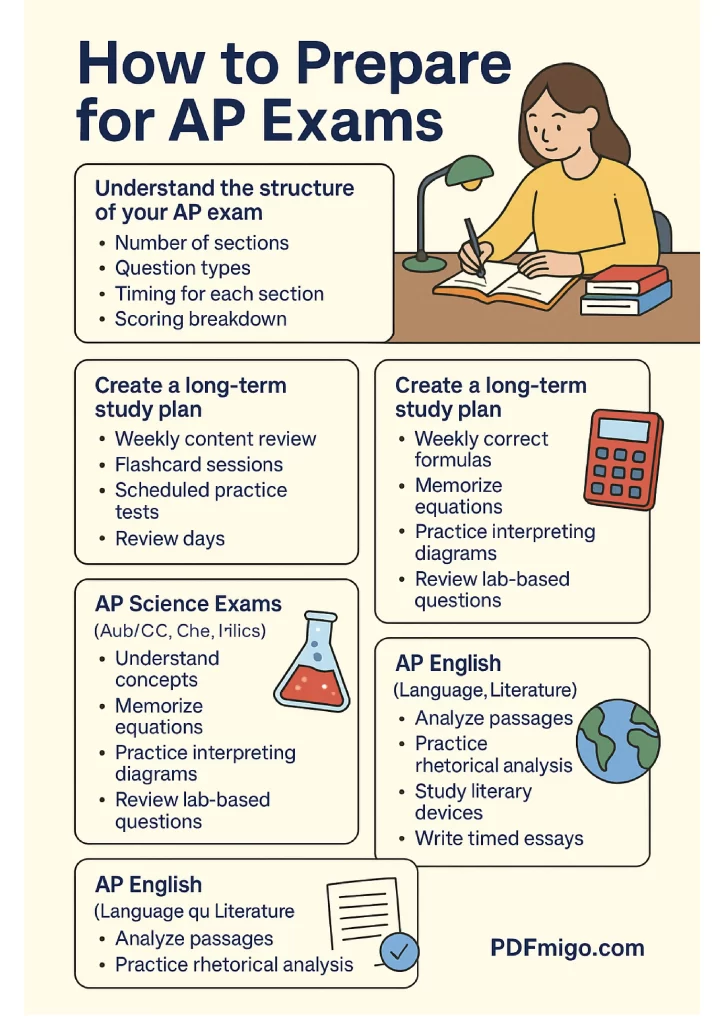
An analytical essay is one of the most common assignments in English, history, humanities, and even science classes. Instead of simply summarizing a topic, an analytical essay requires you to break information apart, examine how it works, and explain why it matters. This style of writing strengthens critical thinking and helps students construct clear, well-supported arguments. Many learners also organize their essay templates, outlines, and drafts using PDFmigo.com.

What Is an Analytical Essay?

An analytical essay examines a topic, text, idea, or problem by breaking it into parts and analyzing how those parts work together. Unlike a summary, which only explains what happened, an analytical essay explains why and how something happens.

Examples of analytical essay tasks include:

  • Analyzing a character’s development in a novel
  • Examining themes in a poem or movie
  • Breaking down the causes of a historical event
  • Analyzing the effectiveness of an argument or speech

Step 1: Understand the Assignment

Before writing, read the assignment carefully. Identify exactly what the teacher wants you to analyze. Look for keywords like:

  • Analyze
  • Examine
  • Interpret
  • Compare
  • Evaluate

Make sure you know the required length, formatting style, and whether you must use specific sources.

Step 2: Choose a Strong Topic

Your topic must be narrow enough to analyze deeply. For example:

  • Too broad: “The theme of love in literature.”
  • Better: “How Shakespeare uses metaphor to portray love in Romeo and Juliet.”

The more specific the topic, the stronger your essay will be.

Step 3: Develop a Clear Thesis Statement

The thesis statement is the most important sentence in your essay. It expresses your main argument or claim. Your analysis must revolve around this idea.

A strong thesis is:

  • Clear
  • Debatable
  • Specific
  • Focused on analysis—not summary

Example of a weak thesis: “The character Lennie is important in the story.”

Example of a strong thesis: “Lennie represents the theme of innocence, and Steinbeck uses his behavior to highlight the harshness of the world around him.”

Step 4: Gather Evidence and Examples

Analytical essays require evidence. This includes:

  • Quotes from the text
  • Facts or statistics
  • Examples from events
  • Details from scenes or paragraphs

When gathering evidence, write down page numbers and context so you can reference them clearly in your essay. Many students combine their notes, quotes, and research materials into one packet using Merge PDF.

Step 5: Create an Outline

A good outline keeps your ideas organized and ensures each paragraph supports your thesis. A typical structure is:

Introduction

  • Hook or attention catcher
  • Brief background information
  • Your thesis statement

Body Paragraphs

  • Topic sentence (what this paragraph will analyze)
  • Evidence (quote, detail, fact)
  • Explanation (how the evidence supports your thesis)
  • Transition to the next idea

Conclusion

  • Restate the thesis in a new way
  • Summarize main points
  • Explain the deeper significance

Step 6: Write the Introduction

Your introduction should prepare the reader for your argument. Avoid starting with broad or vague statements. Instead, introduce the text or subject clearly, then present your thesis.

Example: “In George Orwell’s 1984, the theme of surveillance is explored through the constant monitoring of citizens. Through imagery, symbolism, and tone, Orwell reveals the psychological effects of authoritarian control.”

Step 7: Write Strong Body Paragraphs

Each paragraph should focus on one main idea that supports your thesis. Use the formula:

  • Point: Your argument for the paragraph
  • Evidence: Quote or example
  • Analysis: Explain how the evidence proves your point

Avoid repeating the quote in different words. Instead, dig deeper. Ask:

  • Why is this detail important?
  • How does it support my thesis?
  • What technique is the author using?

Step 8: Write the Conclusion

The conclusion should not introduce new ideas. Instead:

  • Restate the thesis using different wording
  • Summarize the insights from each paragraph
  • Explain why your argument matters

A strong conclusion answers the question: “So what? Why is this analysis important?”

Step 9: Revise and Proofread

Good writing takes multiple drafts. When revising:

  • Check if every paragraph supports the thesis
  • Improve clarity and remove repetitive sentences
  • Ensure transitions flow smoothly
  • Correct grammar and punctuation

Before submitting, many students export their final draft as a PDF and combine it with rubrics or teacher feedback using tools available at PDFmigo.com.

Final Thoughts

Writing an analytical essay becomes much easier once you have a process. By choosing a focused topic, creating a strong thesis, gathering evidence, and organizing your ideas logically, you can write clear and persuasive analysis. With consistent practice, analytical writing will help you think more critically and communicate more effectively in every subject.

Choosing the right school is one of the most important decisions for any parent. Education lays the foundation for a child’s future, shaping not only academic knowledge but also personality, values, and life skills. For families in Mumbai’s suburban belt, the demand for quality institutions has grown significantly in recent years. Among these, the best schools in mira road east are becoming a preferred choice, attracting parents who want a balance of academics, extracurricular activities, and holistic development.

Why Mira Road Has Become an Educational Hub

Mira Road, once a quiet residential suburb, has evolved into a thriving community with expanding infrastructure, improved connectivity, and increasing cultural diversity. With this growth has come a rising need for quality education. Today, parents can find some of the most promising schools in mira road, catering to diverse boards, budgets, and teaching approaches.

Accessibility plays a big role in this trend. Families living in Mira Road and nearby areas, such as Bhayandar or Dahisar, find it easier to choose institutions close to home, reducing commute stress for children while maintaining access to excellent learning opportunities.

What Parents Look for in Schools

Every parent wants the best for their child, but the criteria often go beyond academics. When evaluating state board schools in mira road or private institutions, key factors include:

  • Academic excellence: Strong teaching standards and consistent board results.
  • Co-curricular exposure: Sports, arts, and cultural activities that encourage creativity.
  • Infrastructure: Modern classrooms, libraries, labs, and safe play areas.
  • Teaching methods: A balance between traditional values and modern pedagogy.
  • Accessibility: Proximity to residential areas, such as Mira Road and Bhayandar.

By assessing schools against these parameters, parents can identify institutions that align with their child’s learning needs and personality.

The Role of State Board Schools

For many families, state board schools in mira road provide a trusted and structured path of learning. These schools often focus on affordability and accessibility while delivering strong academic outcomes.

Benefits of choosing state board institutions include:

  • Familiarity with a well-established syllabus.
  • Accessibility for local students.
  • A focus on building strong fundamentals in core subjects.
  • Availability of extracurricular opportunities alongside academics.

Several ssc board schools in mira road are known for producing disciplined, well-rounded students who excel in academics and board exams alike.

The Appeal of SSC Board Schools

Parents seeking consistency and reliability often opt for ssc board schools in mira road. The Secondary School Certificate (SSC) syllabus is widely recognised in Maharashtra and provides a solid foundation for students to transition into higher education.

What makes the best state board schools in mira road stand out is their ability to combine rigorous academics with a nurturing environment. By fostering curiosity and problem-solving skills, these schools prepare students for competitive exams while also encouraging moral and social development.

Why Schools in Mira Road and Bhayandar Attract Families

The twin suburbs of Mira Road and Bhayandar are home to a diverse population, with families from different cultural, professional, and linguistic backgrounds. This diversity enriches the schooling experience for children.

Parents exploring schools in mira road and bhayandar often find institutions that:

  • Provide inclusive environments that cater to students from diverse backgrounds.
  • Provide opportunities for cultural exchange through activities and events.
  • Focus on developing communication skills, teamwork, and adaptability.

The cultural blend of these suburbs helps children grow into confident individuals who can thrive in global environments.

Beyond Academics: Nurturing the Whole Child

Education is no longer limited to textbooks. The best schools in mira road east understand the importance of balancing academics with extracurricular activities. Sports, music, dance, debate clubs, and science fairs are common offerings that shape well-rounded students.

These activities:

  • Encourage leadership and teamwork.
  • Build confidence in public speaking and self-expression.
  • Improve physical fitness and mental resilience.
  • Foster creativity and problem-solving.

Holistic development ensures that students are not just prepared for exams but also for life.

Technology in Modern Education

Many of the best state board schools in mira road are adopting digital learning methods to stay relevant in today’s tech-driven world. Smart classrooms, online resources, and interactive teaching aids have become the norm. This integration of technology:

  • Enhances engagement and comprehension.
  • Helps students access resources beyond textbooks.
  • Prepares learners for a future where digital literacy is essential.

By combining traditional teaching with modern innovations, these schools offer the best of both worlds.

The Importance of Community and Values

Another defining feature of schools in mira road is their emphasis on community and values. Education is not just about preparing for a career; it is also about building character. Schools in the region often focus on:

  • Teaching respect, empathy, and responsibility.
  • Encouraging community service and social awareness.
  • Building a strong connection between teachers, students, and parents.

This approach ensures that children develop both intellectual and emotional intelligence.

Future of Education in Mira Road

With rising demand and competition, the future looks promising for schools in mira road and bhayandar. Investments in infrastructure, faculty training, and technology will continue to raise the bar for education in the region. As more families move to these suburbs, the area is set to become an even stronger hub for quality schooling.

Finding the right school is about striking the perfect balance between academic rigor, extracurricular opportunities, and values-based education. For parents exploring options, the best schools in mira road east provide all of this and more. From trusted state board schools in mira road to inclusive ssc board schools in mira road, families have access to a wide spectrum of choices.

By choosing the best state board schools in mira road or other institutions in schools in mira road and bhayandar, parents can ensure their children not only excel academically but also develop into confident, compassionate, and capable individuals ready for the future.

Whether you plan to become a translator or are searching for translation services, it’s helpful to know which industries rely on them. For aspiring translators, this knowledge opens doors to career opportunities. For businesses, understanding how translation can expand their market reach is equally valuable.

Which Companies Need Translation Services?

A decade or two ago, only global corporations felt the need for translation services. Espresso Translations – Agenzia di traduzione has made professional translation accessible to businesses of all sizes in today’s digital world. However, with the rise of the digital age, almost every business operating online requires translation to reach international audiences. Translating websites, apps, and marketing materials offers high returns at relatively low costs, which explains the rapid growth of the translation industry. By simply translating existing content, companies can connect with hundreds of thousands of new customers without producing material from scratch. Below are some major industries that benefit greatly from translation services.

1. Market Research

When expanding into international markets, companies rely on accurate translations to understand their target audiences. Translators not only convert language but also help businesses grasp cultural nuances that influence consumer behaviour.

2. Legal Industry

The legal sector heavily depends on translation services for court cases, immigration papers, and cross-border agreements. Certified translations are often required to ensure legal accuracy, as errors could lead to serious complications.

3. Manufacturing

Manufacturers frequently outsource production globally and must communicate clearly with foreign partners. They also need translations for manuals, safety labels, and product documentation. As global manufacturing continues to expand, so does the demand for translation services.

4. Healthcare and Medical

The medical field often deals with multilingual communication, from dosage instructions and patient records to international certifications and research collaborations. During global health crises, such as the COVID-19 pandemic, accurate translation becomes even more critical. Certified translations ensure precision in medical documentation.

5. Marketing, Advertising, and PR

Businesses aiming to expand internationally must localise their marketing messages to suit cultural differences. Translation ensures brand messages resonate across diverse markets, making localisation a vital part of global marketing strategies.

6. Education and Training

With online learning platforms and global universities, translation is essential for reaching students worldwide. Educational institutions translate study materials and course content to make learning accessible to non-native speakers.

7. Retail, Consumer, and E-commerce

To compete globally, e-commerce platforms must cater to customers in various languages. Translating product descriptions, reviews, and customer support helps them stand out in saturated markets.

8. Leisure and Tourism

Travel and tourism companies rely heavily on multilingual communication. From travel guides to booking websites, offering content in multiple languages builds trust and enhances the customer experience.

9. Software Development

As technology evolves, software companies translate apps, games, and digital products to enter new markets. Technical translations ensure accuracy and usability across languages.

Most Common Languages in Demand

Popular languages for translation services include English, Spanish, German, French, Chinese, Japanese, Arabic, Italian, Portuguese, Dutch, and Russian. Fluency in these languages offers translators a competitive edge.

Final Thoughts

Translation services have become an integral part of global business. From law to technology, nearly every industry benefits from accurate, culturally sensitive translations. For those looking to enter the translation field, it offers promising and ever-growing opportunities worldwide.

 In today’s interconnected world, opportunities for people to travel abroad extend far beyond tourism and business. One of the most meaningful ways to engage with another culture while making a lasting contribution is through international volunteering. More than a journey across borders, international volunteering is a journey into shared humanity. It allows individuals to dedicate their time, skills, and compassion to projects that directly impact communities, while at the same time gaining personal growth, cultural awareness, and a broader perspective on global issues. 

What is International Volunteering?

 voluntariado internacional refers to the practice of traveling to another country to participate in service projects that support local needs. These projects can range from teaching English in rural schools, supporting healthcare initiatives, working on environmental conservation, assisting in refugee camps, to building infrastructure such as wells or community centers. The primary aim is not charity in the traditional sense, but rather collaboration—working alongside local people to strengthen capacities, foster mutual learning, and create sustainable improvements. 

Benefits for Communities

 For host communities, volunteers international often provide an extra set of hands, specific expertise, or resources that might otherwise be unavailable. A small rural village in Africa may lack teachers for its growing number of children; a conservation project in South America may need passionate individuals to monitor wildlife; a refugee settlement in Europe may welcome volunteers to help integrate newcomers through language support. When done ethically and in alignment with local leadership, international volunteering can amplify existing efforts and empower communities to achieve goals faster and more effectively. 

Benefits for Volunteers

 While communities gain support, volunteers gain experiences that profoundly shape their personal and professional lives. Living and working in another country requires adaptability, patience, and humility. Volunteers often learn a new language, acquire cross-cultural communication skills, and develop resilience when faced with challenges. Many describe the experience as transformative—broadening their worldview, deepening their empathy, and inspiring a lifelong commitment to social justice or international cooperation.

Aspiring to become a doctor is a bold and admirable ambition – one that requires dedication, academic excellence and strategic preparation. For students in the UK aiming for a place at medical school, choosing the right sixth form can make all the difference. Here’s why private sixth forms are often considered the best choice for future medics.

1. Exceptional Academic Support and Smaller Class Sizes

Schools like this private sixth form in London typically offer smaller class sizes, which translates to more one-to-one attention from teachers. This is especially important for students taking A-levels in Biology, Chemistry and Maths – the core subjects needed for most medical degree applications.

Teachers in private sixth forms are often subject specialists with extensive experience in their field. This depth of knowledge and personalised teaching style ensures students not only grasp complex scientific concepts but also learn how to apply them in exams – a crucial skill for securing top grades.

2. Tailored University and UCAS Guidance

Applying to medical school is far more competitive than many other university courses. Private sixth forms usually have dedicated university application advisors or Oxbridge-style support teams who understand the nuances of UCAS applications, especially for medicine.

From selecting the right medical schools based on a student’s strengths to crafting a compelling personal statement, students receive in-depth, tailored guidance. Some schools also offer mock interviews and preparation for the UCAT and BMAT entrance exams, giving students a vital edge in the admissions process.

3. Access to Enrichment Opportunities and Work Experience

Medical schools increasingly value applicants who can demonstrate real-world insight into the profession. Private sixth forms often have well-established connections with local hospitals, clinics and research facilities. This makes it easier for students to gain relevant work experience or take part in volunteering placements that enrich their applications.

In addition, many private schools run medical societies, science clubs, or guest lecture programmes featuring practising clinicians or former pupils now working in medicine. These activities help students explore the profession beyond the classroom and build confidence when speaking about their motivations during interviews.

4. Focus on Personal Development and Soft Skills

Being a successful doctor isn’t just about academic knowledge – communication, empathy, resilience and critical thinking all play a vital role. Many private sixth forms place a strong emphasis on holistic education, offering pastoral care, leadership opportunities and public speaking workshops. These experiences help students develop the personal qualities that top medical schools are looking for.

5. Strong Track Records of Success

Finally, private sixth forms often have a proven track record of securing medical school places for their students. This experience means they understand what selectors are looking for and can provide a supportive, structured pathway from GCSEs to university. Many also offer alumni networks or mentoring from former students now studying medicine – a reassuring and motivating influence.

For students with their sights set on a medical career, a private sixth form can offer the academic excellence, personalised support and strategic advantage needed to succeed. With tailored resources, a strong focus on wellbeing, and a track record of results, it’s no surprise that private sixth forms remain the top choice for many future medics.

Results day can be an emotional experience for students and parents alike. Whether the results bring joy, relief, or disappointment, it is important to remember that exam grades do not define a young person’s future. There are many pathways available, and taking the time to explore all the options can open doors to exciting new opportunities.

Taking Time to Reflect

Before making any decisions, it’s helpful for students to pause and reflect on their goals, strengths, and aspirations. Exam results are just one part of the bigger picture, and considering long-term ambitions can help guide the next steps.

Considering Further Education Options

For those who want to continue their studies, exploring the best sixth form colleges can make a significant difference to academic and personal development. These colleges often provide a wide range of subjects, strong teaching support, and access to enrichment opportunities that help students prepare for university, apprenticeships, or employment. Visiting open days and speaking with tutors can help families make an informed choice about the environment that best suits the student’s learning style.

Resits and Alternative Routes

If the results were not what was hoped for, options such as GCSE or A-level resits, vocational qualifications, or foundation courses can provide another route forward. Many schools and colleges offer dedicated support to help students improve their grades and regain confidence in their abilities.

Exploring Apprenticeships and Careers

Not every pathway involves continuing in full-time education. Apprenticeships allow students to gain practical experience while working towards qualifications, often leading to valuable career opportunities. For those ready to enter the workforce, careers advisors can help identify roles that align with individual interests and skills.

Staying Positive

Above all, it is important to reassure students that one set of results does not determine their future success. With the right guidance, they can find a pathway that plays to their strengths and helps them achieve their goals.

Results day is the start of a new chapter, and by exploring all available options, students can make choices that set them on the right path – one that suits their aspirations, skills, and ambitions.

Private schools are known for providing exceptional education, small class sizes, and extensive opportunities – but for many families, the cost can feel daunting. Fortunately, scholarships offer an excellent way to make a private education more accessible. Understanding how these programmes work and what’s required can help you make informed choices when considering options for your child.

What Are Private School Scholarships?

Scholarships are financial awards granted to pupils who demonstrate outstanding ability in a specific area. They differ from bursaries, which are based on financial need, as scholarships are typically awarded for academic achievement, sporting talent, musical excellence, or other special skills. Some schools also offer all-rounder scholarships to recognise pupils with strengths across multiple areas.

How Much Do Scholarships Cover?

Each school sets its own criteria and award amounts. While some scholarships provide a percentage reduction in fees, others may cover extras such as music lessons, specialist coaching, or enrichment activities. In many cases, scholarships can be combined with means-tested bursaries to make private education more affordable for families.

The Application Process

Applying for a scholarship usually involves an assessment, which may include tests, interviews, auditions, or portfolio reviews depending on the area of strength. It’s advisable to start researching early, as deadlines often fall months before the start of the academic year. Schools typically publish detailed information about eligibility and application requirements on their websites.

Finding the Right Fit

Not all scholarships are the same, so it’s important to consider your child’s talents and interests when applying. Families looking at options for Sixth Form Surrey may find a range of scholarships available, from academic and STEM awards to those focusing on the arts and sport. Visiting open days, speaking with admissions teams, and reviewing application guidelines can make the process smoother and more successful.

Scholarships can open doors to incredible opportunities, enabling pupils to thrive academically and personally in an environment that suits their strengths. By planning ahead and understanding what’s available, parents can take full advantage of the financial support on offer.

Deciding how to store Bitcoin carries long-lasting security consequences that go beyond simple access convenience. Different custody methods must be reviewed carefully, especially in terms of their weaknesses and how they protect assets over time. For long-term holders, storage choices also influence inheritance planning, recovery methods, and resilience against new threats that may arise in the future. ultimateshop is often considered by investors looking to build stronger Bitcoin storage strategies.

Hardware wallet protection

Dedicated hardware devices offer enhanced security through offline private key generation and transaction signing, eliminating exposure to internet-connected devices that face constant malware threats. These physical storage solutions provide air-gapped security environments that prevent remote access to private keys, even when connected computers become compromised through viruses or hacking attempts. Key hardware wallet security features include:

  • Secure element chips that resist physical tampering attempts
  • PIN protection that prevents unauthorized device access
  • Recovery seed generation in isolated environments
  • Transaction verification through device screens
  • Firmware integrity checks that detect malicious modifications

The isolation provided by hardware wallets creates robust defense layers against digital attacks while maintaining user control over private keys. Physical device protection becomes crucial for long-term security, requiring secure storage locations and backup procedures that protect against theft, damage, or loss over extended timeframes.

Multi-signature security layers

Multi-signature configurations distribute signing authority across multiple keys, creating redundant security systems that prevent single points of failure from compromising entire Bitcoin holdings. These arrangements require predetermined numbers of signatures from different keys to authorize transactions, making unauthorized access exponentially more difficult for potential attackers. Common multi-signature configurations provide various security levels:

  • 2-of-3 setups that require two signatures from three total keys
  • 3-of-5 arrangements for enhanced redundancy and geographic distribution
  • Time-locked signatures that prevent immediate fund access
  • Threshold schemes that accommodate key holder unavailability
  • Professional custody integration for institutional-grade security

Long-term security planning through multi-signature setups enables geographic distribution of keys, professional custody services for some signatures, and family member involvement in recovery procedures. This distributed approach provides continuity protection while maintaining security standards that adapt to changing personal circumstances over time.

Recovery seed management

Mnemonic seed phrases serve as master keys that can restore entire Bitcoin wallets, making their protection and backup procedures critical components of long-term security planning. Proper seed management involves secure generation, multiple backup copies, and storage locations that remain accessible to authorized parties while preventing unauthorized access. Effective seed backup strategies incorporate multiple protection methods:

  • Metal seed storage plates that resist environmental damage
  • Geographic distribution across multiple secure locations
  • Encrypted digital backups with strong password protection
  • Cryptographic splitting techniques that divide seeds safely
  • Professional custody services for institutional holdings

Recovery seed protection strategies must consider multiple threat vectors, including physical theft, environmental damage, and memory loss or incapacitation of key holders. Splitting seeds across various locations, using metal storage solutions, and establishing clear recovery procedures ensure long-term accessibility while maintaining security standards.

Inheritance planning concerns

Long-term Bitcoin security must address succession planning that enables authorized access by beneficiaries while preventing premature or unauthorized transfers during the owner’s lifetime. Estate planning for cryptocurrency requires clear documentation, secure key transfer procedures, and legal frameworks that protect both current owners and intended recipients. Inheritance procedures should include detailed instructions for accessing stored Bitcoin, backup recovery methods, and professional guidance for beneficiaries unfamiliar with cryptocurrency management. These arrangements must balance accessibility for heirs with security measures that prevent exploitation during vulnerable transition periods. Effective security strategies must balance immediate usability with robust protection against evolving threats while maintaining clear procedures for authorized access and inheritance transfer.

Education in the rapidly changing world is changing to equip learners with qualifications that are based on new career options that did not exist ten years ago. This shift is headed by STEM programs, which are based on Science, Technology, Engineering, and Math. Such programs are not limited to honing technical skills but the programs ignite curiosity, instill problem solving skills and motivate teamwork. STEM education can be a game changer when you are talking about the middle school students who are only starting to discover their strengths and their interests. 

1. Early Establishment of a Good Foundation 

Middle school is the critical period when students start to develop an image of themselves of what they are good at. STEM programs are hands-on, exploratory, and have a feel of fun-on-purpose learning. Students may assemble a toothpick bridge, program a robot or simulate an ecosystem instead of merely reading about physics or biology. 

Mostly, the middle grade chemistry learners respond well to this practical and interactive teaching style. Magical PT Elements offers innovative learning material, which you can download. The e-books focus on defining science in a thrilling and adventurous manner.

2. Nurturing Critical Thinking and Creativity 

STEM is not about cramming facts but experimenting and thinking beyond the box, asking questions. An open STEM classroom is a place where students are willing to tackle actual problems in the real world and find alternative solutions to them. Be it in creating a water filter or a mini-game, they are working on logic and creativity. 

This combination of abilities is critical particularly at the age of the middle school when children might not be so sure about their abilities in learning subjects such as math or science. Creativity and collaborative STEM encourages the participation of learners of any kind and confidence. 

3. Connecting Lessons to the Real World 

STEM classes assist children in recognizing the practical application of their studies. Instead of wondering “Why does this matter?”, they can understand how math and science apply to everyday life — from building bridges to exploring Mars. Field trips, virtual guest speakers, and project-based learning can be used to connect what is being taught in the classroom and the work world. 

This exposure can unlock new and surprising opportunities to students living in underserved communities, or students who have not been exposed to STEM industries. 

4. The Role of Creative Learning Tools 

Educational tools that are active in terms of their interaction are vital as STEM continues to broaden in schools. Learning is supported with books, games, visual materials in new and attractive forms. The examples are fun STEM children’s books on AMAZON which are full of color illustrations, likable characters, and activities to give the young learners a taste of the magic of STEM. 

Final Thoughts 

The changing learning landscape with STEM programs is changing education by making it fun, (digitally) inclusive, and future-related. In middle school, they are not just teaching plain material facts, they are triggering curiosity, instilling confidence, and creating a love of discovery. When a student dreams of being a coder, a chemist or a creative problem solver, STEM gives students the tools they need to start that journey, along with the spark. 

Organisations rely on insightful analytics to make strategic decisions in the rapidly evolving data-driven world. As companies in Thane and Mumbai accelerate their digital transformation journeys, the demand for professionals skilled in interpreting data has grown significantly. Central to this demand is the ability to convert complex datasets into actionable insights through powerful visualisations. This has made data analyst course offerings in 2025 more focused on hands-on, tool-based learning experiences.

For students and professionals in Thane, understanding and leveraging data visualisation tools is no longer optional—it’s a key skill that drives success across industries such as retail, finance, logistics, and healthcare. Modern programs in Mumbai’s academic institutions and ed-tech platforms are equipping learners with real-time capabilities in tools such as Tableau, Power BI, and Python-based libraries like Matplotlib and Seaborn.

Why Data Visualisation Matters in Today’s Analytics Landscape?

Data lies at the core of every decision-making process, but raw data holds limited value unless interpreted correctly. Data visualisation helps break down this complexity, allowing analysts, managers, and stakeholders to detect trends, anomalies, and patterns at a glance. Visual storytelling enables faster decisions, reduces cognitive load, and boosts stakeholder engagement.

This skill becomes even more crucial in cities like Mumbai and Thane, where industries are fast-paced and data-heavy. Visualisation is used at every level of operations, from sales dashboards in FMCG companies to customer behaviour maps in e-commerce platforms. This is why every top-rated data analyst course emphasises mastering the technical and storytelling aspects of visualisation tools.

Tools Covered in Mumbai’s Data Analytics Curriculum (2025)

As part of their 2025 curriculum updates, many institutes across Mumbai and Thane have begun integrating advanced tools and technology structures. Below are the key visualisation platforms and programming libraries commonly covered:

1. Tableau

Tableau remains a favourite for its drag-and-drop interface and the ability to create stunning dashboards without deep programming knowledge. Mumbai’s top courses teach learners to import datasets, create calculated fields, and publish dashboards for real-time sharing.

2. Power BI

Power BI training is now essential with the increasing enterprise adoption of Microsoft ecosystems. Power BI integrates seamlessly with Excel and Azure, making it ideal for corporates. Courses in Thane and Mumbai now feature hands-on case studies where students build business intelligence reports using live company data.

3. Python Libraries (Matplotlib, Seaborn, Plotly)

Python visualisation tools are critical for those seeking a coding-based approach. These libraries allow for high customisability and are often used in advanced data science workflows. Seaborn, for example, provides aesthetically pleasing statistical plots, while Plotly offers interactive dashboards.

4. R-based Visualisation (ggplot2)

ggplot2 remains popular in academic research and statistical analysis. Some Mumbai-based institutes offer electives in R for learners who want to delve deeper into hypothesis testing and visual representation of statistical models.

Real-World Applications in Mumbai and Thane

Mumbai and Thane boast many industries, from traditional manufacturing to fintech startups. Here’s how data visualisation tools are making a difference:

  • Retail & E-Commerce:Visualisation tools help analyse customer behaviour, forecast sales, and track real-time inventory movement.
  • Finance & Banking:Analysts use dashboards to track market trends, assess risk profiles, and manage loan portfolios.
  • Healthcare:Hospitals and diagnostic labs in Thane use data dashboards to monitor patient flow, treatment efficacy, and drug availability.
  • Logistics & Supply Chain:Real-time dashboards visualise fleet tracking, delivery times, and route optimisation.

All these sectors require professionals who are technically sound and capable of communicating insights clearly. Hence, these course offerings teach “how to create charts” and train learners on dashboard design principles, colour theory, interactivity, and narrative flow.

Learning Outcomes from Visualisation-Focused Modules

Students enrolling in a Data Analytics Course in Mumbai that emphasises visualisation will be able to:

  • Transform raw datasets into meaningful visual narratives.
  • Develop interactive dashboards that update in real time.
  • Apply visual best practices to enhance comprehension.
  • Combine data from multiple sources into a single storytelling interface.
  • Share insights in collaborative environments using cloud platforms.

These outcomes equip learners to handle real-world analytical challenges confidently and competently.

Integration of Visualisation with Other Analytics Skills

In 2025, the most successful analytics professionals in Mumbai and Thane are expected to have interdisciplinary expertise. An advanced course today doesn’t just teach visualisation in isolation. Instead, it weaves it alongside modules in data cleaning, SQL, machine learning, and business communication. For instance:

  • After learning SQL, students are asked to extract data from databases and visualise it in Power BI.
  • Machine learning modules use visualisation tools to interpret feature importance and model performance.
  • Business case competitions often require the development of complete dashboards as part of the solution report.

This holistic approach ensures that learners are not only tool-proficient but also industry-ready.

Future of Visualisation in Data Analytics Courses

With AI and automation advancing rapidly, visualisation tools are also becoming smarter. Auto-generated insights, voice-enabled dashboards, and predictive visual analytics are now being introduced into the curriculum. Institutions in Mumbai and Thane are experimenting with these capabilities, ensuring their Data Analytics Course in Mumbai reflects the latest trends.

Some futuristic additions you can expect in 2025 include:

  • Natural Language Processing (NLP)is used in tools like Power BI to query data using plain English.
  • AI-driven recommendationsin Tableau that highlight possible patterns or anomalies.
  • Embedded analytics, where visualisations are directly integrated into business applications.

Final Thoughts

The ability to effectively visualise data differentiates a good analyst from a great one. As Mumbai and Thane grow into analytics hubs, learners and professionals must prioritise building visualisation skills as part of their learning path.

Whether you are an aspiring analyst or a working professional aiming to upskill, choosing the right course that emphasises tool-based, hands-on training in visualisation will give you a competitive edge in 2025’s job market.

To unlock your potential, consider enrolling in a well-structured Data Analytics Course in Mumbai that bridges theory and application. With the right skills and the power of visualisation tools, your insights can shape tomorrow’s strategies.

Business name: ExcelR- Data Science, Data Analytics, Business Analytics Course Training Mumbai

Address: 304, 3rd Floor, Pratibha Building. Three Petrol pump, Lal Bahadur Shastri Rd, opposite Manas Tower, Pakhdi, Thane West, Thane, Maharashtra 400602

Phone: 09108238354

Email: enquiry@excelr.com