Key Takeaways
- Builds steady confidence in speaking, reading, and writing Chinese at the secondary level
- Helps students handle exam formats, question styles, and time pressure with less stress
- Reinforces school learning while filling gaps that often go unnoticed in class
- Encourages consistent practice through structured guidance and feedback
Introduction
For many secondary school students in Singapore, Chinese can feel like a subject that quietly grows heavier each year. Vocabulary lists get longer, composition topics feel less forgiving, and oral exams start to carry real weight. Confidence wobbles, not always because students lack ability, but because the pace leaves little room to pause, clarify, or practise without pressure. That is where targeted support can make a visible difference, especially when it focuses on both language confidence and exam readiness.
Why Confidence Matters More Than Marks
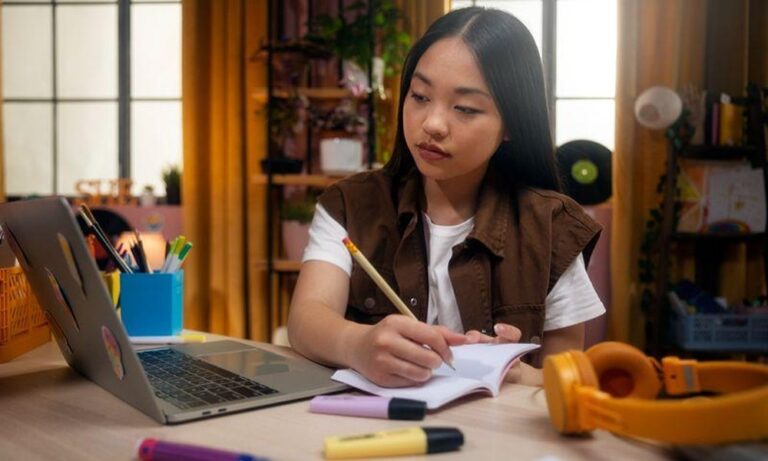
It is tempting to treat Chinese results as the main goal. Grades matter, of course. But confidence often comes first. A student who hesitates to speak Mandarin aloud or second-guesses every written sentence tends to freeze during assessments. With secondary Chinese tuition, lessons usually slow things down just enough. Teachers listen, correct gently, and explain why a phrase works or does not. Over time, students stop treating Chinese like a trap and start seeing it as a skill they can actually manage.
This shift shows up in small ways. Answers become less rushed. Oral responses sound steadier. Even comprehension passages feel less intimidating. Confidence does not arrive all at once, but it grows through repetition and reassurance.
Making Sense Of Exam Expectations
Secondary Chinese exams are not just about knowing the language. They test structure, timing, and familiarity with question patterns. Many students understand the content but lose marks through poor planning or misreading instructions. Tuition sessions often spend time breaking down past-year papers, showing how marks are awarded and where common mistakes hide.
Through secondary Chinese tuition, students learn how to plan compositions quickly, manage oral prompts calmly, and approach comprehension with purpose. These are practical habits, not abstract tips. They reduce guesswork and help students walk into exams feeling prepared rather than overwhelmed.
Bridging The Gap Left By Busy Classrooms
School teachers do their best, but large class sizes limit personal attention. Some students fall behind quietly, especially if they are shy about asking questions. Tuition creates space for that missing conversation. A confusing grammar rule can be explained again, differently, and without judgment.
At a Tampines tuition centre, this personalised approach often resonates with families nearby. Shorter travel times help students stay consistent, and familiarity with local school syllabuses means lessons stay relevant. It feels less like extra work and more like guided practice.
Language Practice That Feels Real
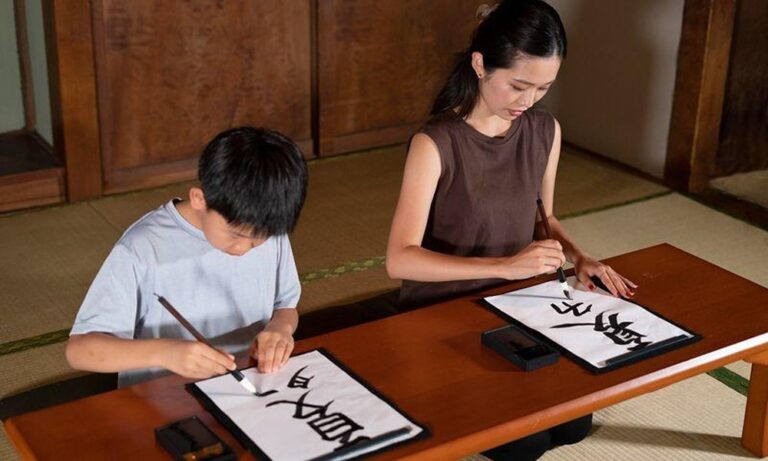
Chinese is not just an exam subject. It is a living language used at home, in hawker centres, and during festive gatherings. Good tuition taps into that reality. Lessons may include current news topics, everyday conversations, or examples drawn from local life. This keeps learning grounded and relatable.
Students begin to see how exam phrases connect to real usage. That connection makes memorisation easier and expression more natural. Slowly, Chinese stops feeling distant and starts sounding familiar.
Supporting Different Learning Paces
Not every student learns at the same speed. Some grasp vocabulary quickly but struggle with composition flow. Others write well but hesitate during oral exams. Tuition allows lessons to adjust without rushing or dragging. That flexibility is often what helps students regain balance.
With secondary Chinese tuition, weaker areas receive focused attention while strengths are reinforced. The aim is not perfection, but steady improvement that students can feel.
Conclusion
Language confidence and exam readiness rarely grow by accident. They come from clear guidance, regular practice, and patient correction. When students feel supported, their relationship with Chinese changes. Anxiety softens, understanding deepens, and exams become manageable rather than frightening.
For families looking for structured and approachable support, a trusted Tampines tuition centre can offer that steady hand. Get in touch with Simply Education today to find out how tailored Chinese tuition can help students build confidence and perform with assurance.