Key Takeaways
- Peer interaction strongly influences confidence and motivation in secondary Chinese
- Group dynamics shape how students engage in higher Chinese tuition for secondary school
- Sec 4 Chinese tuition outcomes often depend on classroom culture, not just content
- A well-structured Chinese tuition centre in Singapore balances support and challenge
- Learning alongside others can accelerate progress when managed intentionally
Introduction
By the time students reach secondary school, Chinese learning is no longer just about vocabulary and grammar. It becomes social. Students compare answers, observe how peers respond, and quietly assess. These interactions play a decisive role in how students perform and persist. Group dynamics shape success in secondary-level Chinese learning, with particular attention to higher Chinese tuition for secondary students. It looks at how peer environments, classroom structure, and group behaviour influence outcomes.
Why Learning Becomes More Social in Secondary Years
Adolescence is marked by heightened social awareness. Students become more sensitive to peer perception, comparison, and belonging. In language learning, this can either motivate or inhibit participation. Teenagers are more likely to engage when they feel accepted within a group. In secondary Chinese classes, this means students are influenced not only by the teacher but by how classmates respond to challenges. A Chinese tuition centre in Singapore that recognises this shift designs lessons that encourage participation without putting individuals on the spot unnecessarily.
Peer Modelling and Its Impact on Language Confidence
Students learn as much from observing peers as from direct instruction. When one student confidently explains an answer or attempts a difficult comprehension question, others gain reassurance that effort is acceptable. This modelling effect is particularly important in higher Chinese tuition for secondary students, where texts and writing tasks are more demanding. Seeing peers attempt complex tasks increases willingness to try. Group environments that normalise effort over perfection help students build resilience in Chinese.
Healthy Competition Versus Harmful Comparison
Competition can motivate, but only when framed carefully. In secondary Chinese learning, excessive comparison can lead to withdrawal, especially among students who already lack confidence. An effective Sec 4 Chinese tuition focuses on personal progress rather than constant ranking. Mastery-oriented environments produce better long-term outcomes than performance-oriented ones. A balanced group dynamic allows students to challenge themselves without feeling defined by comparison.
How Group Discussion Strengthens Comprehension
Chinese comprehension and oral components benefit greatly from discussion. When students explain interpretations or debate answers, they process language more deeply. In well-managed groups, discussion exposes students to multiple perspectives and vocabulary choices. This is particularly valuable in higher Chinese tuition for secondary students, where a nuanced understanding of texts is required.
The Role of Group Size in Participation
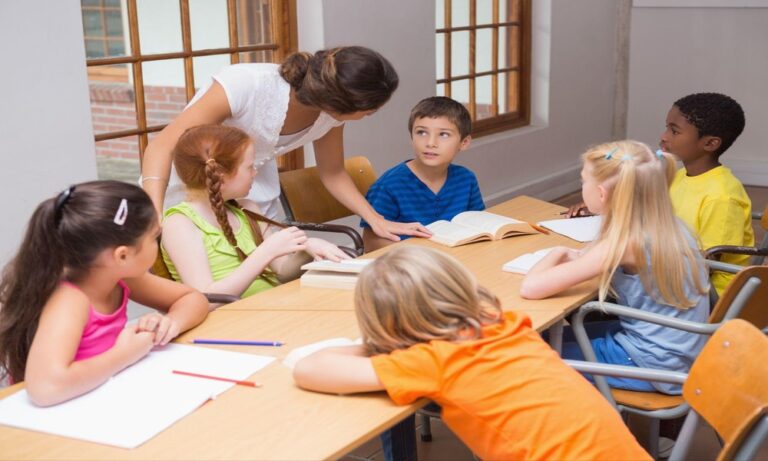
Group size directly affects dynamics. Classes that are too large discourage quieter students from speaking, while overly small groups may lack diverse perspectives. An effective Chinese tuition centre in Singapore considers group size, especially for exam-year cohorts. Moderate group sizes encourage interaction while allowing teachers to monitor individual progress. In Sec 4 Chinese tuition, this balance becomes critical as students prepare for national examinations.
Emotional Safety and Willingness to Use Chinese Actively
Using Chinese actively requires emotional safety. Students must feel that mistakes will not lead to embarrassment. Group norms play a key role here. When classmates respond respectfully, and teachers give feedback constructively, students are more willing to participate. Psychologically safe learning environments increase language output. This is a core consideration in any higher Chinese tuition for a secondary programme.
Shared Goals Create Collective Momentum
Groups perform better when members feel they are working towards shared goals. In exam-focused years, this might include mastering specific question types or improving essay structure together. Sec 4 Chinese tuition benefits from this collective momentum. When students revise collaboratively and celebrate improvements as a group, motivation increases. Shared goals strengthen persistence, particularly during demanding academic periods.
Managing Mixed Ability Levels Within a Group
Mixed-ability groups are common and can be either a strength or a challenge. Stronger students may reinforce learning by explaining concepts, while others benefit from peer support. However, this only works when roles are managed thoughtfully. A Chinese tuition centre in Singapore that trains teachers to facilitate inclusive discussion prevents dominance by a few voices. Structured collaboration benefits all learners when participation is balanced.
Conclusion
Group dynamics play a powerful role in outcomes. In higher Chinese tuition for secondary students, these dynamics influence confidence, persistence, and depth of understanding. In Sec 4 Chinese tuition, they can make the difference between anxiety and readiness. Choosing a Chinese tuition centre in Singapore that understands and manages group dynamics thoughtfully helps students learn not just alongside others, but because of them. When peer interaction is guided with intention, group learning becomes a powerful driver of success.
If you are evaluating secondary-level programmes and want an environment that balances academic rigour with supportive group learning, reach out to Tien Hsia today.