
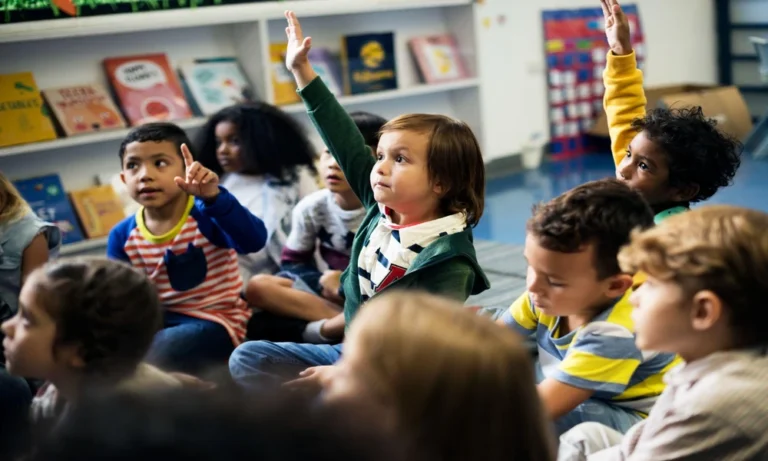
Every Child Deserves to Feel at Home
- Children feel more confident when their backgrounds and experiences are respected.
- Play and shared activities help young pupils build friendships across cultural differences.
- Teachers can encourage inclusion through language, stories, music and classroom routines.
- Parent involvement helps schools understand each child’s needs and family background.
- A caring environment supports emotional, social and academic development.
Why Does a Welcoming School Environment Matter in Early Childhood?
A young child’s first school experiences can shape how they view learning and relationships. For some children, starting preschool means meeting classmates who speak different languages, celebrate different festivals or follow unfamiliar customs. These encounters can be exciting, but they may also feel overwhelming at first.
A welcoming school helps children adjust by making them feel safe, accepted and included. When teachers show interest in each child’s experiences, pupils learn that their backgrounds are valued. They also begin to understand that their classmates may have different ways of speaking, playing and expressing themselves.
This sense of belonging matters because children are more likely to take part when they feel comfortable. They may become more willing to ask questions, join group activities and form friendships. These small moments help develop social confidence and a positive attitude towards learning.
For parents considering an international preschool in Singapore, it is worth looking beyond classroom facilities and academic programmes. The way educators welcome children, respond to their needs and encourage friendships can have a lasting influence on their early development.
How Can Teachers Help Children Appreciate Different Backgrounds?
Young children often learn about diversity through everyday experiences rather than formal lessons. A story about a festival, a song in another language or a classmate’s account of a family tradition can introduce a new perspective in a simple and engaging way.
Teachers play an important role in guiding these interactions. They can choose stories that feature different families, include music from various cultures and encourage children to share experiences from home. Classroom discussions should also give pupils room to ask questions without making anyone feel uncomfortable about their background.
At NPS International School, the Early Years Programme aims to develop children who are socially aware and able to respect and appreciate diverse cultures and individuals. Its child-centred approach uses play and inquiry-based learning to encourage curiosity and independent thinking.
These methods allow children to learn through participation. During a group activity, for example, pupils might build something together, take turns explaining their ideas and discover different ways to solve a problem. Teachers can use these moments to encourage patience, cooperation and respect.
An inclusive international preschool in Singapore should make these values part of daily classroom life. Children do not need to understand every cultural difference at once. They need regular opportunities to interact, listen and learn from one another.
What Role Do Play and Shared Activities Have in Building Friendships?
Play is one of the main ways young children explore their surroundings and connect with others. Through games, creative projects and pretend play, they learn how to share materials, take turns and respond to different ideas.
These activities can also help children overcome language barriers. A child who is still developing confidence in English may find it easier to join a building activity, draw with a classmate or take part in a movement game. Shared experiences create opportunities to communicate even when pupils do not yet have all the words they need.
NPS International’s Early Years Programme serves children aged three to five through its Nursery and Kindergarten offerings. Its activities support literacy and numeracy while also encouraging cognitive, social and emotional development. The school describes its learning environment as safe, caring and stimulating, with trained educators guiding children through engaging activities.
The school’s wider Early Years approach also includes art, drama, reading, music and movement. These experiences give children different ways to express themselves and discover shared interests.
Parents visiting an international school in Singapore can ask how play is used in the classroom and how teachers support children who take longer to join group activities. A welcoming environment should allow pupils to participate at a comfortable pace while helping them develop stronger social skills.
How Can Schools and Parents Work Together to Create a Sense of Belonging?
A child’s sense of belonging does not develop through classroom activities alone. Families also play an important role. Parents can share information about a child’s home language, interests, routines and cultural practices so teachers have a better understanding of the pupil.
Regular communication helps both sides respond to a child’s needs. A parent might explain that their child is shy around unfamiliar adults, while a teacher can share how the child behaves during group play. Together, they can find suitable ways to help the pupil feel more comfortable.
NPS International highlights parent partnership as part of its Early Years approach. This is valuable because children benefit when their families and educators work towards shared goals.
When assessing a school, parents may find it helpful to consider these points:
| Area to consider | What parents can look for |
| Teacher interaction | Educators who listen, encourage participation and respond with patience |
| Cultural inclusion | Stories, activities and events that recognise different backgrounds |
| Language development | Opportunities to build vocabulary and communicate with others |
| Parent communication | Regular updates and an approachable teaching team |
| Emotional support | A caring environment where children can express feelings and seek help |
A strong partnership helps ensure that children receive consistent encouragement at school and at home. It also gives parents a clearer understanding of their child’s progress and social development.
Help Every Child Feel Seen, Valued and Ready to Learn
A welcoming preschool environment gives children the confidence to explore, make friends and discover the world around them. When educators respect different backgrounds and encourage shared experiences, pupils learn that diversity is something to appreciate.
Choosing an international preschool in Singapore is therefore about more than finding a suitable curriculum. It is also about selecting a community where children feel accepted and supported as they grow.
Reach out to NPS International and explore its Early Years Programme to understand how its play-based approach, trained educators and parent partnership support young learners. A positive start can help every child feel at home while preparing them for the next stage of education.