
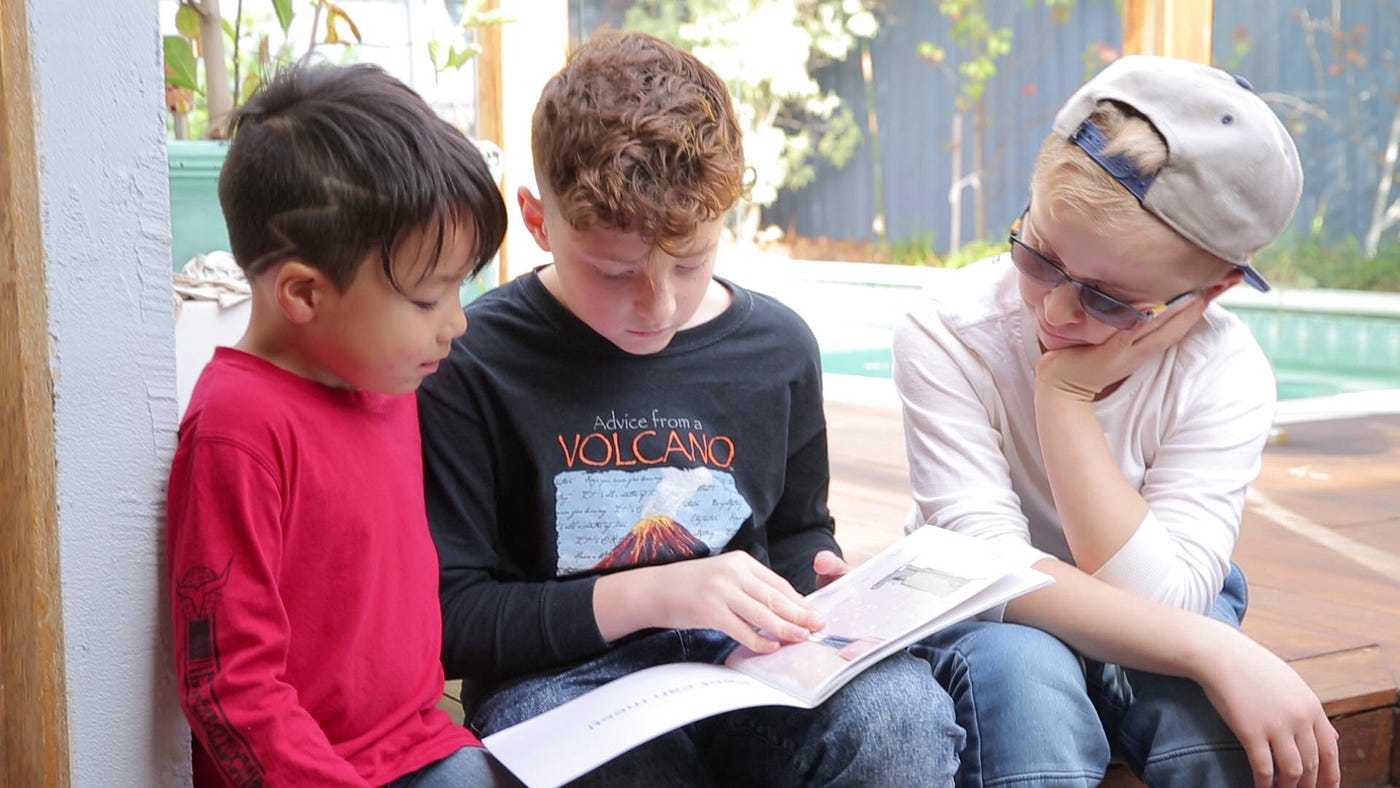
Reading aloud doesn’t have to sound like a robot reciting words from a page. When children learn to use different voices for different characters, something magical happens. The story comes alive, and reading transforms from a chore into an adventure.
Why Character Voices Matter
Many parents wonder why their children struggle to stay engaged with books. The answer often lies in how they approach reading. When every character sounds the same, stories feel flat and boring. Children lose interest quickly.
Character voices create distinction. A gruff voice for the giant, a squeaky tone for the mouse, and a warm sound for the grandmother all help young readers understand who is speaking. This simple technique makes comprehension easier and more natural.
Kids’ speech and drama in Singapore has gained popularity precisely because it addresses this need. These programmes teach children to bring stories to life through vocal variety and expression.
Building Confidence Through Performance
Shy children often blossom when given permission to be someone else. A quiet child might roar like a lion or speak boldly as a brave knight. This freedom to experiment builds confidence that extends beyond reading time.
Drama techniques give children tools to express emotions safely. They learn that being loud isn’t always wrong, and being soft doesn’t mean being weak. Each character requires different energy and volume levels.
Children who practise character voices develop stronger public speaking skills. They become comfortable projecting their voices and articulating clearly. These abilities serve them well in school presentations and social situations.
Enhancing Language Skills
Creating character voices requires children to think about words differently. They must consider how someone would say something, not just what they’re saying. This deeper engagement strengthens language comprehension.
Accent and dialect exploration broadens a child’s understanding of language diversity. A pirate might say “arrr” whilst a princess speaks more formally. These variations teach children that English has many forms and uses.
Vocabulary retention improves when children associate words with specific characters and voices. They remember “grumbled” better when they’ve actually grumbled like an angry bear. The physical act of speaking reinforces memory.
Practical Ways To Start At Home
Parents don’t need special training to encourage character voices. Start by reading together and asking, “How do you think this character sounds?” Let your child experiment without criticism.
Take turns reading different characters. You might read the narrator whilst your child voices all the characters. This shared experience makes reading time more interactive and enjoyable.
Record your child reading with character voices. Playing it back helps them hear their progress and identify areas to improve. Most children love hearing themselves perform.
Create simple character cards for frequent story types. Write “brave hero,” “sneaky villain,” or “wise elder” on cards. Before reading, pick a card and practise that character type together.
How Drama Classes Support Reading Development
Structured kids’ speech and drama in Singapore programmes offer guided practice that complements home reading. Teachers provide feedback and introduce techniques that parents might not know.
Group settings allow children to learn from peers. Hearing how others interpret characters sparks creativity and new ideas. Friendly competition motivates children to improve their skills.
Professional instructors teach proper breathing and voice projection. These technical skills prevent strain and help children use their voices effectively for longer periods.
The Long-Term Benefits
Children who master character voices often become enthusiastic readers. They look forward to discovering how new characters might sound. This enthusiasm drives them to read more frequently and tackle harder books.
Strong oral reading skills support writing development. Children who understand how characters speak differently write more authentic dialogue. Their stories feel more real and engaging.
Kids’ speech and drama in Singapore and elsewhere recognise that these skills extend into adulthood. Effective communication, confident presentation, and expressive speaking all start with simple exercises like character voices.
Making Reading An Adventure
Every book becomes a stage when children use character voices. Parents who encourage this approach give their children more than reading skills. They provide tools for self-expression, confidence, and joy in storytelling.
Start small. Pick one voice to try today. Watch as your child’s eyes light up when the story suddenly feels real. That spark of excitement is worth more than perfect pronunciation or flawless reading speed.

Comments are closed.